Tree Removal Services: Ensuring Safety and Aesthetic Appeal in Your Yard
Tree removal service options are a vital aspect of preserving a secure and aesthetically pleasing outdoor space. Damaged, overgrown, or diseased trees may create considerable dangers for both individuals and property. Additionally, strategic tree removal can dramatically improve the overall aesthetics of a landscape. Understanding when and why these services are essential can help homeowners make informed decisions. What key elements should property owners weigh before undertaking tree removal?
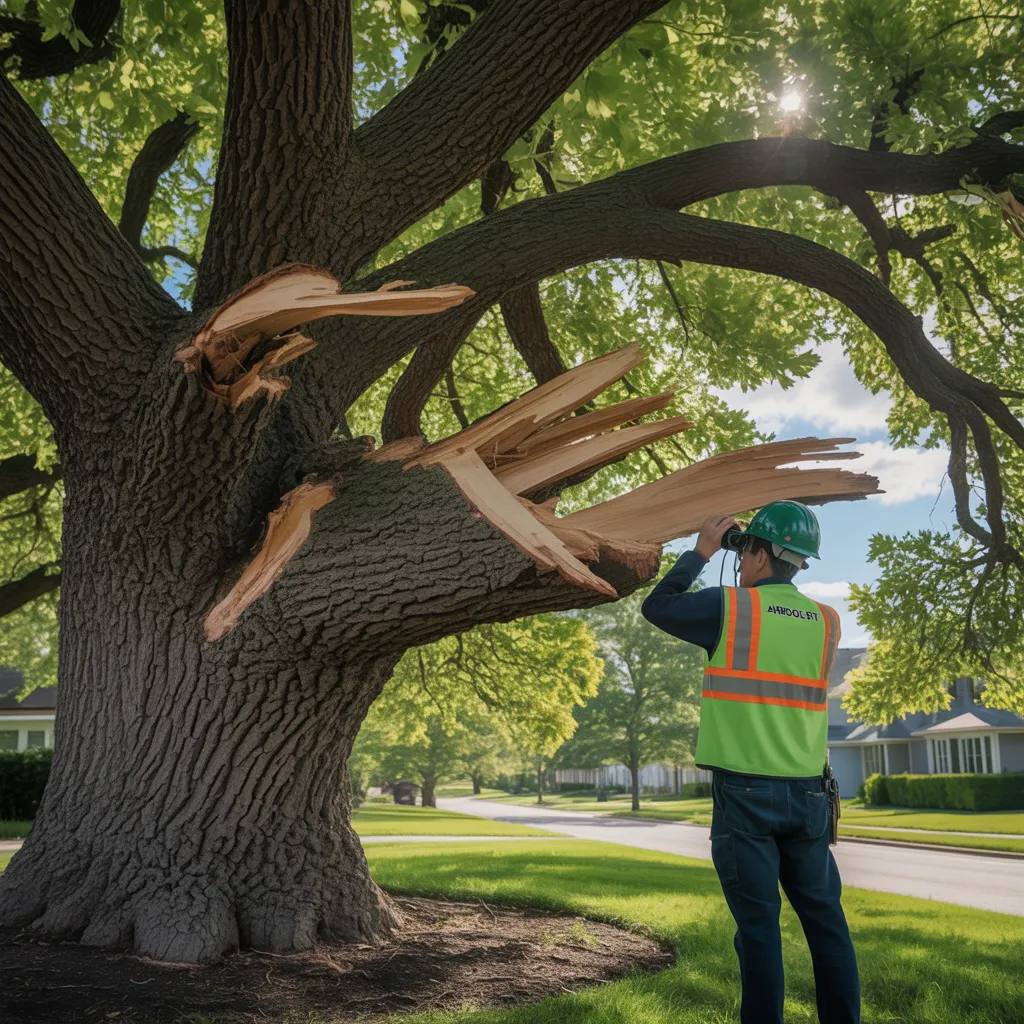
Understanding When Tree Removal Becomes Necessary
Furthermore, environmental conditions, such as roots encroaching on structural foundations or sidewalks, can necessitate removal. In addition, the overall appearance and space requirements of a property may influence the decision. By examining these considerations, landowners can arrive at educated decisions regarding tree removal decisions, guaranteeing the safety and aesthetic quality of their property.
Why Tree Removal Matters for Safety
When evaluating the safety of a property, removing trees often becomes critical, especially when trees present hazards to surrounding structures or people. Overgrown or damaged trees can lead to significant hazards, like collapsing branches or complete trees falling during storms. These incidents can cause severe damage to homes, vehicles, and outdoor spaces, as well as pose a risk to the safety of inhabitants and visitors.
Moreover, trees infested with pests or diseases may damage their structural integrity, heightening the probability of unexpected failures. In city environments, nearness to power lines further amplifies the need for removal, as downed limbs can disrupt electrical services and cause hazardous conditions.
How Professional Tree Removal Enhances Landscape Aesthetics
Professional tree removal substantially enhances outdoor aesthetic quality by creating better visual equilibrium in outdoor areas. By strategically removing overgrown or misplaced trees, homeowners can increase sunlight exposure, fostering stronger growth in adjacent plant life. Moreover, a properly managed outdoor space frequently results in increased property worth, rendering professional tree removal an excellent long-term investment.
Improved Visual Balance
A carefully tended landscape typically requires the precise balance of its elements, and tree removal can be instrumental in achieving this harmony. When certain trees grow too large for or fall out of sync with the overall design, they can disrupt the visual flow of the yard. Expert tree removal services allows homeowners to reconfigure views and develop a more harmonious appearance. This process can highlight the significance of existing features, such as garden beds or decorative stonework, allowing them to flourish without being overshadowed by unruly foliage. Furthermore, the removal of diseased or deteriorating trees can eliminate unsightly disorder, contributing to a more pristine visual presentation. Ultimately, purposeful tree removal fosters a sense of order, elevating the attractiveness and charm of the overall landscape.
Greater Sun Exposure
Even though trees supply shade and protection, too much canopy coverage commonly causes decreased natural light in outdoor spaces. Professional tree removal can greatly enhance the aesthetic appeal of outdoor spaces by allowing more natural detailed guide light to penetrate the area. Increased sunlight fosters healthier grass and plants, promoting vibrant colors and growth. Furthermore, it can create a more inviting atmosphere, making outdoor spaces feel larger and more open. This change can additionally accentuate the architectural elements of the home and enhance the general visual harmony of the landscape. By strategically removing select trees, homeowners can achieve a harmonious blend of greenery and light, enhancing the enjoyment of their outdoor environment.
Elevated Property Value
Strategic tree removal can significantly boost property value by enhancing landscape aesthetics. Once dead, diseased, or overcrowded trees have been cleared, homeowners can develop a more open and appealing outdoor area. This not only allows for better sunlight penetration but also showcases the remaining flora, making the yard appear more manicured and attractive. Professional tree removal services guarantee that trees are removed safely and efficiently, preventing damage to surrounding structures. Furthermore, a properly maintained landscape can elevate curb appeal, making properties more attractive to prospective buyers. By choosing professional tree removal services, homeowners can dramatically improve the aesthetic quality of their outdoor areas, resulting in a notable rise in property value and market appeal.
What to Consider When Choosing a Tree Removal Service
When selecting a tree removal service, what qualities should one prioritize to guarantee a safe and efficient process? To begin, confirm the company's qualifications, including proper insurance and valid licensing. This validates the service's authenticity and safeguards against unforeseen liabilities. Additionally, assess the proficiency and background of the staff. A proficient team can thoroughly analyze the conditions and carry out the removal while protecting adjacent properties.
Moreover, client reviews and testimonials offer valuable insight into the service provider's reliability and workmanship. A credible service should also supply thorough and transparent estimates and a well-defined process, detailing potential risks and solutions. As a final consideration, seek information regarding the safety protocols and equipment employed during removal. Prioritizing these qualities can result in a more seamless experience, confirming that the tree is removed efficiently while upholding safety and professionalism during the entire process.
Backyard Maintenance Advice Following Tree Removal
Post-tree removal, homeowners ought to concentrate on revitalizing the landscape to recover its beauty and ecological balance. The primary step includes assessing the space for leftover roots or debris, which can hinder new plant growth. Eliminating leftover stumps or wood debris is critical to keeping pests at bay and opening up space for fresh plantings.
Next, property owners should evaluate soil condition. Performing soil testing can identify nutrient deficiencies, enabling suitable soil amendments to encourage new plant growth. Choosing native or well-adapted species for replanting can help maintain the ecological balance and elevate the overall appearance of the landscape. Applying mulch around newly planted vegetation preserves water content in the soil and prevents weed growth.
Regular watering and monitoring for pests are vital in the initial growth phase. Moreover, developing a consistent upkeep routine, which includes scheduled pruning and fertilization, will promote a lush and healthy yard. By following these tips, homeowners can guarantee their yards thrive post-tree removal.
Dispelling Common Misconceptions About Tree Removal Services
In the field of tree removal services, a number of misconceptions commonly emerge that can mislead homeowners. These misconceptions frequently ignore important factors such as the environmental impact and safety hazards associated with tree removal. By clarifying these frequent misunderstandings, a more accurate understanding of professional tree removal services can develop.
Popular Misconceptions Addressed
Misconceptions about tree removal services frequently obscure public awareness, leading to hesitation in seeking professional help. A common misconception is that every tree removal task is perilous and requires exclusively trained specialists. Even though safety is undeniably important, a variety of trees can be handled effectively with appropriate techniques and gear. Another misconception is that tree removal guarantees increased property value; yet this outcome is far from guaranteed and relies on multiple considerations. Furthermore, many assume that tree removal leaves behind a desolate landscape, but skilled services can enhance landscape aesthetics through careful planning. In the end, dispelling these misconceptions empowers homeowners to pursue tree removal services with confidence and clarity.
Safety Risks Ignored
Despite the widespread assumption that tree removal is a straightforward task, many homeowners overlook the hazards involved. The process is far more complex than cutting down a tree; it necessitates skill to address potential hazards such as falling branches, electrical lines, and unstable ground. Inexperienced persons often fail to account for these dangers, leading to injuries or property damage. Furthermore, the use of heavy equipment demands specific knowledge to use without incident. Myths persist that hiring professionals is avoidable, yet experienced tree removal services are equipped with the right tools and safety protocols to reduce dangers. Disregarding these safety concerns can have serious repercussions, making it essential for homeowners to appreciate the complexities of tree removal before trying it on their own.
Environmental Impact Misconceptions
While many believe that tree removal inevitably has a negative impact on the environment, this perspective often overlooks important factors. When conducted properly, tree removal can foster ecological stability. For instance, taking out dead or diseased trees can halt the transmission of pests and illness, safeguarding surrounding flora. Furthermore, strategic tree removal can enhance sunlight exposure for healthier plants and enhance soil health by decreasing nutrient competition. Beyond this, when trees are removed, sustainable practices such as replanting or landscaping with native species can lead to improved biodiversity. Myths suggesting that all tree removal is detrimental ignore the potential benefits of thoughtful intervention, proving that tree removal, when handled responsibly, can make a constructive environmental impact. Grasping these distinctions is vital for making well-informed choices about tree management.
Frequently Asked Questions
What Is the Typical Cost of Tree Removal?
Tree removal typically costs between $300 and $2,000, with the price influenced by factors like tree dimensions, site conditions, and overall job complexity. You may also incur additional costs for removing the stump or navigating hard-to-reach locations.
Is Tree Removal Included in Homeowners Insurance Coverage?
The removal of trees may be covered by home insurance coverage, based on the details of the policy and the reason for removal. It is important for property owners to review their policies and consult with their insurance company for further guidance.
How Much Time Does the Tree Removal Process Require?
The process of tree removal typically takes anywhere from a few hours to an entire day, determined by the tree's size, location, and complexity of the job. Elements such as crew and equipment availability can also impact the duration.
Can I Take Down a Tree Myself?
Taking down a tree on your own is feasible, but it necessitates substantial know-how, competence, and protective steps. Many factors, including tree size and location, influence the decision. Expert help is frequently advised to ensure safety and correct methodology.
What Permits Do You Need for Tree Removal?
Municipal rules typically govern the required permits for tree cutting. Typically, property owners must consult local regulations, as permits may be required for particular tree varieties, sizes, or if the tree is situated in protected areas.